
The Reunification Express, Briefly Explained
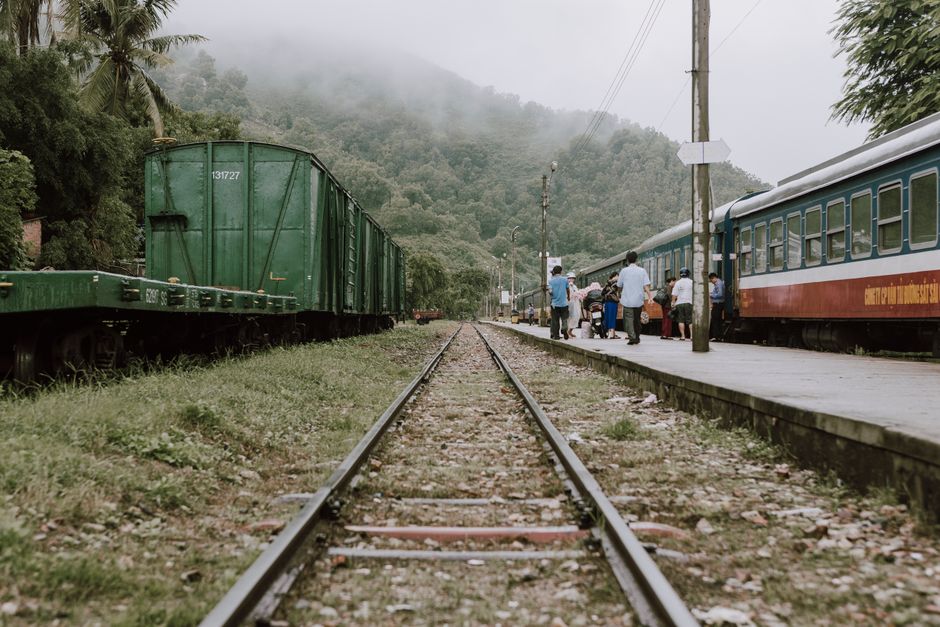
The Reunification Express isn't one single train but a network of services running the full length of Vietnam between Hanoi and Ho Chi Minh City, with four distinct seat and berth classes available on most departures. Choosing the right one changes the trip more than most guides let on.
We rode every class at least once across three separate legs to compare them directly, rather than relying on a single overnight ride to form an opinion.
The Four Seat and Berth Classes
| Class | Price (Hanoi-Hue) | Comfort Level |
|---|---|---|
| Hard seat | $8 | Basic, upright, no AC on older cars |
| Soft seat | $14 | Reclining, air conditioned |
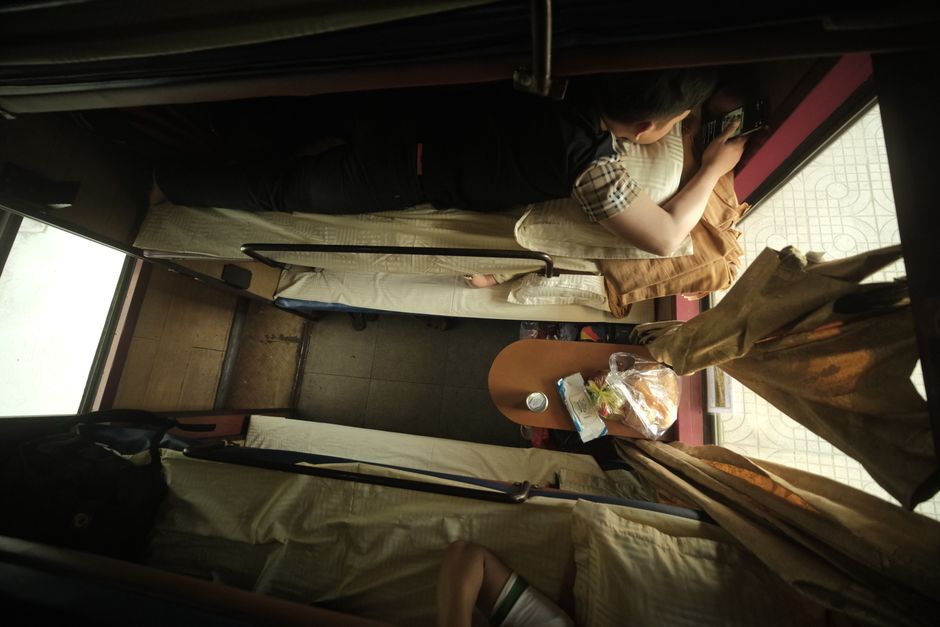
| Hard berth (6-bed) | $22 | Bunk, shared compartment, thin mattress |
| Soft berth (4-bed) | $32 | Bunk, more padding, quieter compartment |
Which Class Is Actually Worth It
For daytime legs under 6 hours, soft seat is the sweet spot - air conditioning and a reclining seat without paying berth pricing. For anything overnight, soft berth is worth the upgrade over hard berth, mostly for the reduced noise from fewer bunks per compartment.
Hard seat is genuinely rough for anything over 2-3 hours and mostly used by locals on short regional hops rather than long-haul tourist routes.
Our Test Route, Leg by Leg
| Leg | Distance | Class Tested | Verdict |
|---|---|---|---|
| Hanoi → Hue | ~13 hours overnight | Soft berth | Best value overnight option |
| Hue → Da Nang | ~2.5 hours daytime | Soft seat | Scenic Hai Van Pass views |
| Da Nang → Nha Trang | ~10 hours overnight | Hard berth | Noisier, cheaper, still workable |
| Nha Trang → Ho Chi Minh City | ~7 hours daytime | Soft seat | Comfortable, no complaints |
The Hai Van Pass leg alone is worth booking a daytime seat class specifically to see it - don't waste that stretch asleep in a berth.
Booking Tips That Actually Matter
- Book at least a week ahead for soft berth on popular overnight legs, which sell out first
- Choose a lower bunk if available - easier access and slightly more headroom
- Bring your own snacks; the dining car exists but is inconsistent in quality and availability
- Pack a light blanket even in soft berth, since air conditioning runs cold overnight
- Keep valuables with you rather than in overhead storage, particularly in hard berth compartments
Station and Platform Reality
Major stations (Hanoi, Hue, Da Nang, Ho Chi Minh City) are straightforward with clear signage; smaller stops can be confusing with minimal English signage - confirm your stop with a conductor if uncertain. Boarding queues form early for popular departures, so arrive at least 20 minutes ahead.
Common Mistakes We Watched Other Travelers Make
- Booking hard seat for a full overnight leg to save money, then arriving exhausted
- Not confirming which specific station within a city the train uses, missing departures
- Assuming all classes have western-style toilets - only newer cars reliably do
- Skipping travel insurance for a route with genuinely variable service reliability
Soft berth for overnight legs, soft seat for daytime legs with scenery worth seeing - the price difference over hard classes is small relative to the comfort gained.
Buy snacks and fruit at the station before boarding - prices onboard run noticeably higher than platform vendors.
Compartment Etiquette Worth Knowing
- Keep noise down after lights-out, particularly in shared hard and soft berth compartments
- Offer to help with luggage stowage for elderly passengers - a small gesture that's well received
- Remove shoes before climbing into an upper bunk, standard practice on most services
- Ask before opening or closing a shared window, since preferences vary among compartment mates
Station Food Worth Trying
| Station | Local Specialty | Price |
|---|---|---|
| Hue | Bun bo Hue (spicy beef noodle soup) | $1.50-2 |
| Da Nang | Banh mi from platform vendors | $1 |
| Nha Trang | Fresh seafood spring rolls | $2-3 |