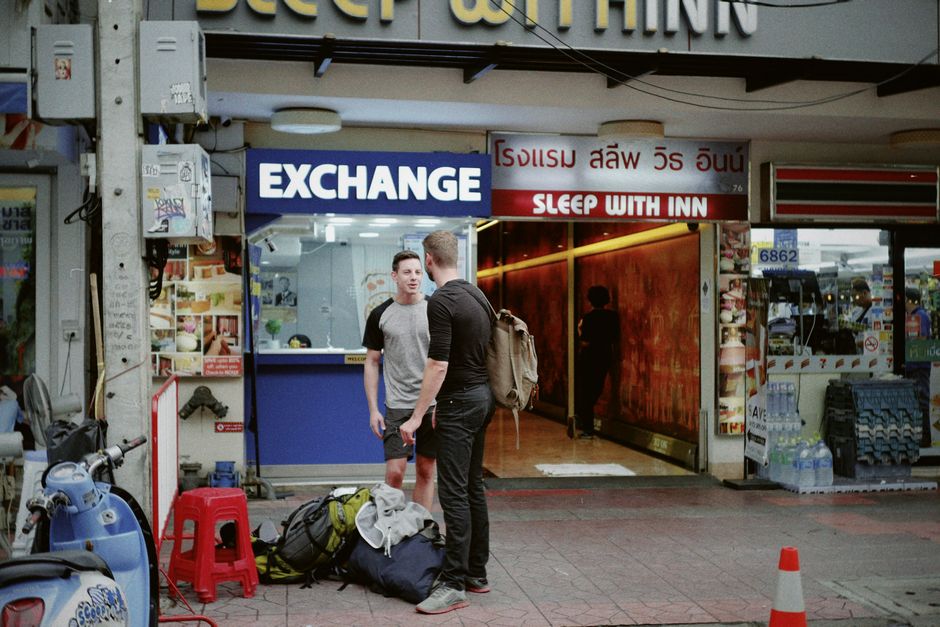
The Route This Budget Covers
This breakdown covers one month solo across Thailand, Vietnam, and Cambodia - a common first Southeast Asia loop, mixing cities, beaches, and one multi-day trek. Every number below is from actual receipts, not an estimate rounded to sound impressive.
We tracked every expense in a spreadsheet updated nightly, in the local currency first and converted to USD weekly to catch any drift from exchange rate assumptions.
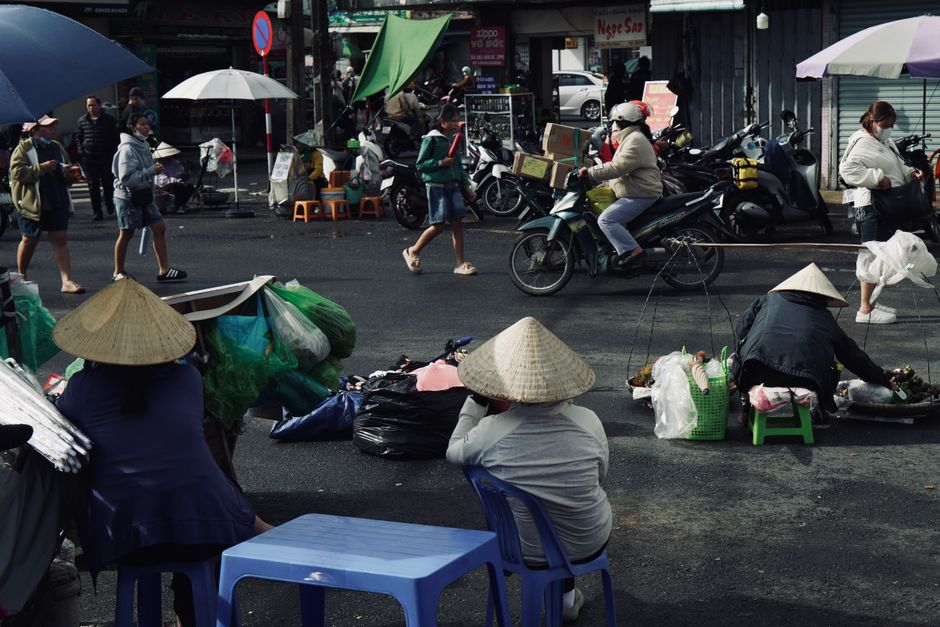
Accommodation: The Biggest Lever
Hostels averaged 8-14 dollars a night across all three countries, with private rooms in guesthouses running 18-28 dollars when we wanted a break from dorms. Booking two to three days ahead rather than same-day consistently found better rates.
The single biggest cost-saving decision was staying five or more nights in three separate cities rather than one or two nights in many - weekly rates were often 15-20% cheaper than the nightly rate multiplied out.
| City | Avg. Dorm/Night | Avg. Private/Night |
|---|---|---|
| Bangkok | $9 | $22 |
| Chiang Mai | $7 | $18 |
| Hanoi | $8 | $20 |
| Ho Chi Minh City | $9 | $24 |
| Siem Reap | $8 | $19 |
| Da Nang | $7 | $17 |
| Phnom Penh | $6 | $16 |
Food: Cheaper Than Expected, With Caveats
Street food and local restaurants ran 2-5 dollars per meal consistently. The budget crept up only when we chose Western-style cafes for the wifi and air conditioning, which happened more often than planned during the hottest weeks.
A rough rule that held across all three countries: eating exclusively local food kept daily food costs under 10 dollars; mixing in two Western meals a week pushed it closer to 15.
Transport Between and Within Cities
Overnight buses and trains between major stops ran 8-20 dollars depending on distance and class. Within cities, ride-hailing apps kept short trips under 2 dollars almost everywhere, cheaper and more reliable than negotiating with tuk-tuks.

Activities and the One Splurge
Most day activities - temples, markets, walking tours - were free or under 5 dollars. The one deliberate splurge was a two-day trek near Chiang Mai, which ran 65 dollars including a homestay and guide, worth every cent.
The number that actually matters isn't the average daily spend - it's the week you go over budget and whether the rest of the trip can absorb it.
The Full Monthly Breakdown
| Category | Total (USD) | Daily Average |
|---|---|---|
| Accommodation | $340 | $11.30 |
| Food | $280 | $9.30 |
| Transport | $210 | $7.00 |
| Activities | $140 | $4.70 |
| SIM cards / data | $45 | $1.50 |
| Laundry | $30 | $1.00 |
| Miscellaneous | $15 | $0.50 |
| Total | $1,060 | $35.30 |
Hidden Costs People Forget
- Visa fees on arrival (Cambodia's $30 e-visa caught more than one traveler off guard)
- ATM withdrawal fees, which add up fast at 3-5 dollars per withdrawal
- Bottled water, since tap water isn't safe across most of the route
- SIM cards, worth budgeting 15-20 dollars per country for data
- Tipping expectations at guided activities, which vary noticeably by country
- Baggage fees on budget regional flights, often not included in the base fare
Money-Saving Tips That Actually Worked
- Withdraw larger amounts less often to reduce the number of per-transaction ATM fees
- Book overnight transport when possible, saving both a travel day and a night's accommodation
- Cook-your-own or market-stall meals over restaurant sit-downs whenever wifi wasn't essential
- Use a fee-free international card rather than exchanging cash at airport counters
- Negotiate weekly guesthouse rates directly rather than booking nightly through an app
Week-by-Week Spending Log
| Week | Location | Total Spend | Notable Expense |
|---|---|---|---|
| 1 | Bangkok, Chiang Mai | $285 | Trek homestay booking |
| 2 | Chiang Mai, Ayutthaya | $240 | Regional bus tickets |
| 3 | Hanoi, Ha Long Bay | $260 | Overnight bay cruise |
| 4 | Siem Reap, Phnom Penh | $275 | Temple entry passes |
What We'd Pack Differently for This Route
- A reusable water bottle with a built-in filter, cutting bottled water costs significantly
- A dry bag for the Ha Long Bay leg, since splashes are common on smaller boats
- Lightweight, quick-dry clothing suited to consistently high humidity
- A portable fan for overnight buses, where air conditioning is inconsistent
- Motion sickness tablets for the longer overland bus legs
Country-by-Country Cost Differences
| Country | Overall Cost Level | Cheapest Category | Priciest Category |
|---|---|---|---|
| Thailand | Moderate | Street food | Bangkok accommodation |
| Vietnam | Lowest | Transport | Organized tours |
| Cambodia | Low-Moderate | Accommodation | Visa fees |
Comparing This to Other Regions
Against a similar month in Western Europe, this Southeast Asia budget runs roughly a third of the cost for comparable accommodation and food quality. Against South America, it's broadly similar, though transport tends to run slightly cheaper here given shorter distances between major stops.
| Region | Comparable Monthly Budget | Biggest Cost Driver |
|---|---|---|
| Southeast Asia | $1,000-1,200 | Accommodation |
| South America | $1,100-1,400 | Transport |
| Western Europe | $2,800-3,500 | Accommodation |
| Eastern Europe | $1,400-1,800 | Accommodation |
| Central America | $1,200-1,500 | Activities |
Splitting Costs If Traveling With a Partner
- Private rooms become nearly as cheap per person as dorms when split two ways
- Transport costs stay largely the same per person, since most fares are individual
- Food costs drop slightly per person when sharing larger dishes at local restaurants
- Activities like the trek splurge become more affordable when the guide fee is shared
Withdraw larger amounts less often to minimize per-transaction ATM fees, and keep a small emergency USD buffer separate from your card.
This budget assumes hostel-level accommodation and local food - add roughly $15-20/day if private rooms and more restaurant meals matter to your trip.