
Why One Packing List Doesn't Work for Everything
Packing advice that treats "travel" as one category ignores how differently a desert trip and an alpine trip actually demand you pack - fabric choice, layering strategy, and even footwear logic change substantially between climate extremes.
This breaks down what actually changes between a hot-climate and cold-climate packing list, based on trips across both this year.

Hot Climate Packing List
- Lightweight, quick-dry natural or technical fabrics, avoiding heavy cotton
- Wide-brim hat and high-SPF sunscreen, non-negotiable in desert or tropical heat
- Breathable closed-toe shoes for dusty or uneven terrain, plus sandals for downtime
- A cooling towel or bandana, genuinely useful in extreme heat
- Electrolyte packets, easy to forget but valuable in sustained heat
Cold Climate Packing List
- A proper base layer system - merino wool performed best across our testing
- A windproof outer shell, often more important than raw insulation thickness
- Waterproof, insulated boots rather than fashion-first winter footwear
- Hand and foot warmers as a lightweight backup for genuinely cold days
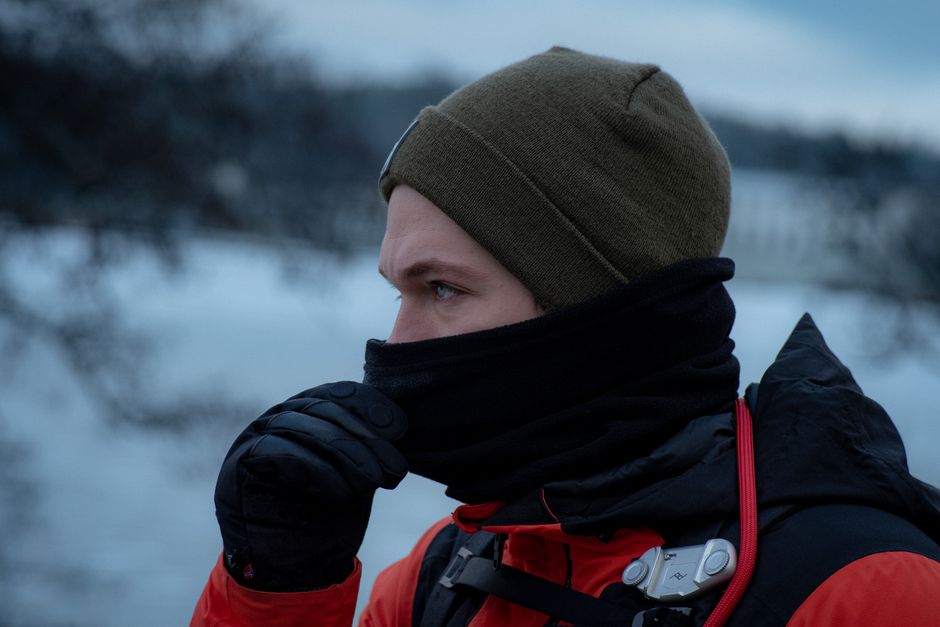
- A buff or neck gaiter, surprisingly versatile across temperature swings
Layering Systems Compared
| Climate | Base Layer | Mid Layer | Outer Layer |
|---|---|---|---|
| Hot/Humid | Moisture-wicking tech tee | None needed | Light rain shell for sudden storms |
| Hot/Dry | Loose, breathable long sleeve | None needed | Wind layer for evening temperature drop |
| Cold/Wet | Merino wool base | Fleece or light down | Waterproof, breathable shell |
| Cold/Dry | Merino wool base | Heavier down | Windproof shell |
The single biggest mistake in either direction is packing for the climate you're used to rather than the one you're actually flying into.
Footwear by Climate
| Climate | Primary Footwear | Backup |
|---|---|---|
| Hot/Desert | Breathable hiking shoes | Sandals |
| Hot/Tropical | Quick-dry sandals or water shoes | Lightweight sneakers |
| Cold/Mountain | Insulated waterproof boots | Warm indoor slippers for guesthouses |
| Cold/Urban | Waterproof boots | Warm flats for evenings |
One Packing List That Handles Both
For trips crossing both climate extremes in one itinerary, a compact merino base-layer set doubles for cold-weather insulation and, worn alone, hot-weather breathability - reducing the total volume needed rather than packing two entirely separate systems.
Mistakes We've Made in Both Directions
- Packing heavy cotton for a desert trip, which stayed damp with sweat all day
- Underestimating how cold alpine evenings get after a warm daytime hike
- Bringing too many single-use warm layers instead of one proper layering system
- Forgetting sun protection is still necessary at high, cold altitudes
Build around one versatile merino base layer for any trip spanning multiple climates - it performs reasonably well at both extremes rather than packing two full separate kits.
Look up actual historical weather data for your specific dates, not just the destination's general climate reputation, before finalizing your packing list.