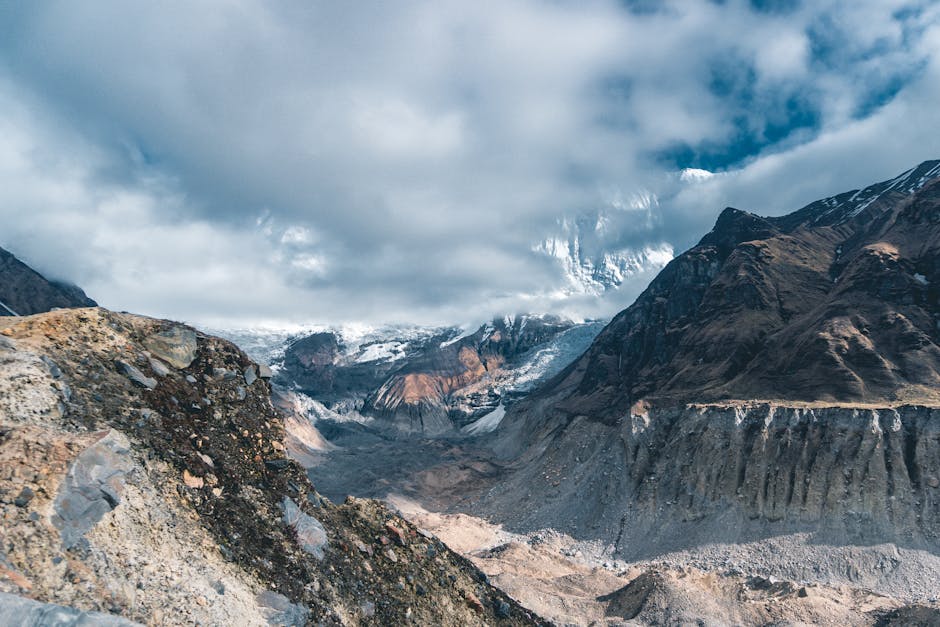
What a Teahouse Trek Actually Costs
Teahouse trekking in Nepal - staying in basic guesthouses along the trail rather than camping - is often assumed to be nearly free once permits are paid, which undersells the real daily costs that add up over a two-week trek.
We tracked every cost, day by day, on a 13-day route to give a realistic picture beyond the permit fees most guides focus on.

Permits and Fixed Costs
| Item | Cost |
|---|---|
| TIMS card | $20 |
| Conservation area permit | $30 |
| Optional guide (per day) | $25-35 |
| Optional porter (per day) | $20-25 |
Day-by-Day Teahouse Costs
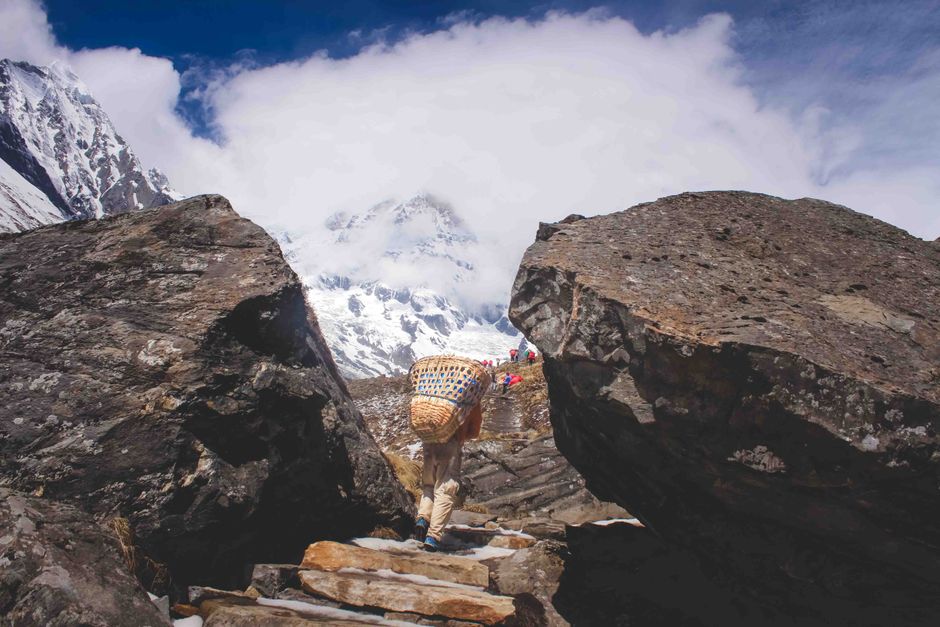
Room rates are often nearly free or a few dollars if you eat dinner and breakfast at the same teahouse, which is the actual local arrangement - meals, not rooms, are where teahouse trekking spends its budget.
| Day | Elevation | Approx. Daily Cost |
|---|---|---|
| 1-3 | Lower altitude, more variety | $15-18 |
| 4-7 | Mid altitude | $18-22 |
| 8-11 | Higher altitude | $22-28 |
| 12-13 | Descending | $16-20 |
Prices climb steadily with altitude simply because everything has to be carried up by porter or mule - a candy bar at 4,000 meters costs what it costs, and arguing about it misses the point.
Guide and Porter: Worth the Cost?
A guide adds safety margin and local knowledge that's genuinely valuable on less-marked sections; a porter is less essential on well-established teahouse routes but meaningfully improves the experience for anyone not used to carrying a full pack at altitude.
Food Budget Reality
- Dal bhat (rice and lentil set meal) is the best value and most filling option at every stop
- Hot drinks (tea, ginger lemon honey) are cheap and genuinely help with altitude symptoms
- Snacks and chocolate cost significantly more the higher you climb - budget accordingly
- Bottled water becomes expensive at altitude; a filter or purification tablets pay for themselves
Full 13-Day Cost Summary
| Category | Total (USD) |
|---|---|
| Permits (TIMS + conservation) | $50 |
| Teahouse accommodation | $70 |
| Food | $210 |
| Optional guide (13 days) | $390 |
| Total without guide | $330 |
| Total with guide | $720 |
Mistakes We'd Avoid Next Time
- Not budgeting extra for the higher-altitude days, where prices climb noticeably
- Skipping water purification tablets, relying entirely on purchased bottled water
- Underestimating how much cash to carry - there are no ATMs along most of the route
Carry all the cash you'll need before starting the trek - there are no reliable ATMs once you're on the trail.
A guide is worth it for first-time Himalaya trekkers; experienced trekkers on well-marked routes can reasonably go without one.